Wine-Based Soju: The Regulatory Distinction That Opens Every Channel
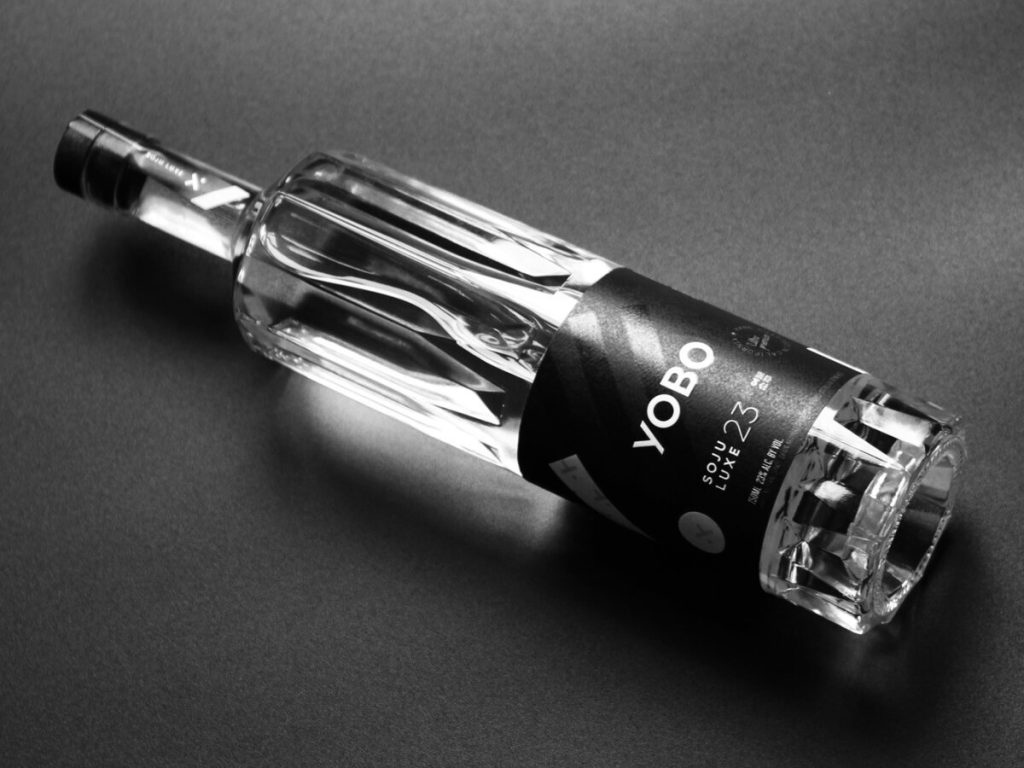
Soju Hits $935M in the U.S.
The numbers confirm what RTM has known for decades: soju is one of the most compelling growth stories in beverage alcohol.
The U.S. soju market surpassed $935 million in 2024, more than doubling in the span of five years. Growth is being driven by several converging forces:
- Gen Z adoption — younger consumers are actively seeking alternatives to traditional spirits, and soju’s clean profile and approachable ABV are a natural fit.
- K-culture reach — from K-pop to K-drama to Korean cuisine, the cultural context surrounding soju has never been stronger in the U.S.
- Mainstream validation — Spirit of Gallo’s 2024 partnership with Lotte Chilsung reportedly delivered a 700% surge in volume for Lotte’s brands in the year ending March 2025.
RTM Imports has built producer relationships and wholesaler advocacy in the Korean market for over 30 years. That depth of experience is the foundation of everything we bring to a wholesale partner entering this category.
What the Distinction Is
Soju is not a single regulatory category in the United States. The TTB classifies beverage alcohol based on production method, not product name. A product called soju may be classified as a distilled spirit or as a wine, depending entirely on how it is produced.
Traditional distilled soju is produced through fermentation and distillation of starches, historically rice but now commonly wheat, barley, or sweet potato. Under U.S. TTB regulations, this production method results in a distilled spirits classification.
Wine-based soju is produced from a wine base. The fermentation substrate is wine rather than grain mash. The resulting product undergoes a similar finishing and dilution process, yielding a product that is close in character to traditional soju but classified as wine under TTB regulations.
That classification difference is the single most commercially significant fact in the category.
What the Classification Means for Channel Access
In most U.S. states, retail and on-premise accounts operate under one of several license types: spirits, wine, beer, or combination licenses. A distilled spirits product can only be sold in accounts holding a spirits license. A wine-classified product can be sold in any account holding a wine license.
The practical consequence: a wine-based soju can be placed in grocery chains, convenience retailers, general merchandise stores, and all other accounts holding wine licenses, in addition to spirits-licensed accounts. A spirit-classified soju is restricted to spirits-licensed accounts only.
In most markets, the spirits-licensed off-premise universe is a fraction of the wine-licensed universe. Grocery chains and convenience retailers, which together represent a substantial share of total off-premise beverage alcohol volume, frequently hold wine licenses but not spirits licenses. A wine-based soju can enter that entire retail footprint. A spirit-based competitor cannot.
For a wholesale partner evaluating channel coverage, the math is straightforward. All else being equal, a wine-based soju SKU has access to a materially larger number of accounts per distribution dollar than a spirit-based alternative.
Why Producers Develop Wine-Based Soju for the U.S. Market
The most commercially sophisticated Korean producers have recognized this regulatory architecture and developed products specifically for wine-based classification in the U.S. market. This is not a compromise on product quality. It is a deliberate channel strategy executed at the production level.
Korean soju is classified as a distilled spirit in South Korea regardless of base material. The wine-based classification distinction exists specifically within the U.S. regulatory framework. Producers who build a wine-based soju for the U.S. market are making an informed commercial decision, accepting a different production cost structure in exchange for a substantially wider addressable channel footprint.
From a consumer standpoint, wine-based and spirit-based soju are, in most cases, indistinguishable. The flavor profile, ABV range, and serving occasion are consistent across both. The regulatory classification is invisible to the consumer and decisive for the distributor.
The Opportunity This Creates
The channel access advantage of wine-based soju has already been validated at the national chain level. The category has secured placements across major national and regional retail accounts, demonstrating that the consumer demand exists across a broad retail footprint, not only in specialty or ethnic retail.
For wholesale partners building Asian beverage positions, wine-based soju does not require a specialized spirits distribution infrastructure to achieve broad retail penetration. It can move through the same grocery and convenience relationships that already anchor the wine book.
For retail buyers evaluating shelf set additions, wine-based soju fits within the wine license coverage of most off-premise accounts, which removes the compliance barrier that would apply to a spirit-classified addition.
If you are a wholesale partner or retail buyer evaluating the Asian beverage category, contact RTM Imports for velocity data, compliance documentation, and distribution context.
Please drink responsibly. Must be 21+.